Trees add beauty, shade, and character to outdoor spaces, but they also require regular care to remain healthy and safe. When trees are neglected, they can quickly become a risk to nearby buildings, gardens, vehicles, and even public safety. From unstable branches to invasive roots, many common tree problems develop gradually and often go unnoticed until serious damage occurs.
Homeowners across the UK are becoming more aware of the importance of proper tree maintenance, especially in residential areas where overgrown trees can affect fences, driveways, roofs, and neighbouring properties. Professional care from experienced specialists, such as Tree surgeons Romford, can help identify problems early while protecting both the appearance and safety of outdoor spaces.
Why Tree Problems Should Never Be Ignored
Many tree-related issues begin with small warning signs. A few dead branches, uneven growth, cracked bark, or leaning trunks may seem harmless at first, but these symptoms can point to larger structural or health concerns beneath the surface.
Trees weakened by disease, storm damage, or age are far more likely to lose branches during strong winds or heavy rain. In urban and suburban gardens, this can create serious hazards for homes, parked vehicles, conservatories, sheds, and pathways. Even healthy-looking trees can become unstable if their root systems are damaged or overcrowded. Regular inspections are important because they allow homeowners to address problems before repairs become expensive or dangerous.
Common Signs of Tree Disease and Decline
Tree diseases are one of the leading causes of structural weakness and long-term decline. Fungal infections, bacterial diseases, and pest infestations can slowly damage internal structures while remaining hidden for months or even years. Some of the most common warning signs include:
- Dead or brittle branches appearing throughout the canopy
- Discoloured, spotted, or unusually small leaves
- Mushrooms or fungal growth around the trunk base
- Cracks or splits forming in the bark
- Sudden leaning or unstable growth patterns
Ignoring these signs may allow the problem to spread further, especially in gardens containing multiple trees close together. Early treatment or controlled pruning often helps prevent more severe damage later.
How Overgrown Trees Can Affect Property
Large, unmanaged trees can create a surprising number of property-related problems. Branches extending too close to homes may scrape roof tiles, block gutters, reduce sunlight, or interfere with overhead cables. During storms, weakened limbs can break unexpectedly and cause costly structural damage.
Tree roots are another common issue. Certain species develop aggressive root systems that spread beneath patios, driveways, drainage systems, and foundations. Over time, this movement can contribute to cracked paving, uneven surfaces, and underground pipe damage. Homeowners should also consider how overgrown trees affect neighbouring gardens. Excessive shading may damage lawns, limit plant growth, and create damp conditions that encourage moss and fungal growth.
The Risk of Storm Damage
Severe weather conditions regularly expose hidden weaknesses in trees. Heavy winds, prolonged rainfall, and winter storms place enormous stress on trunks, roots, and large branches. Trees that appear stable during calm weather may become hazardous very quickly when conditions worsen.
Storm-damaged trees often develop:
- Split or hanging branches
- Exposed or lifted roots
- Cracked trunks
- Sudden leaning
- Fallen limbs are blocking access areas
Prompt professional attention is important after storms because damaged trees can remain unstable even when the visible damage appears minor. In some cases, partial collapse may occur several days later.
The Importance of Professional Pruning
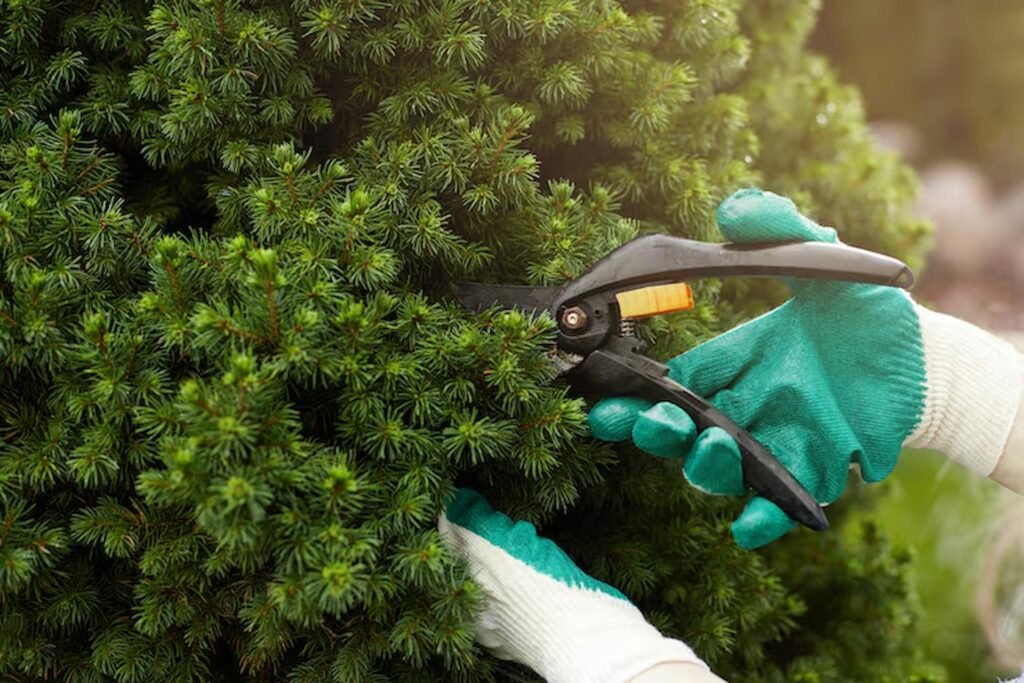
Proper pruning plays a major role in maintaining healthy tree growth and reducing safety risks. Removing dead, overcrowded, or poorly positioned branches improves airflow, allows more natural light into gardens, and reduces strain on the tree’s structure.
However, excessive or poorly timed pruning can actually weaken trees and make them more vulnerable to disease. Each species responds differently to cutting methods, seasonal timing, and crown reduction techniques. Professional tree care specialists understand how to shape and maintain trees without causing unnecessary stress or long-term instability. Routine pruning is particularly important near homes, roads, pathways, and public spaces where falling branches could create safety concerns.
Root Problems and Underground Damage
Many homeowners focus only on visible branches while overlooking what is happening beneath the ground. Tree roots can travel significant distances in search of moisture, particularly during dry conditions. As roots expand, they may interfere with underground utilities, drainage systems, retaining walls, and paved surfaces.
Signs of root-related problems may include sinking patios, cracked pathways, blocked drains, or unexplained movement around garden structures. In some cases, large roots can even contribute to foundation movement if trees are positioned too close to buildings. Managing root systems early often prevents far more expensive structural repairs later.
Protecting Garden Health Through Tree Maintenance
Healthy trees should support the overall balance of a garden rather than overwhelm it. When trees become excessively dense or diseased, they can negatively affect surrounding plants by reducing sunlight, absorbing excessive moisture, and limiting airflow.
Regular maintenance helps create a healthier environment for lawns, flower beds, shrubs, and smaller plants. Thinning crowded canopies also improves natural light distribution and reduces damp conditions that encourage mould or fungal growth.
Well-maintained trees not only improve safety but also enhance the overall appearance and long-term value of outdoor spaces.
Final Thought
Trees remain one of the most valuable features in any garden, but they require proper care to stay safe, attractive, and structurally healthy. Problems such as disease, storm damage, invasive roots, and overgrown branches can gradually lead to costly repairs and serious safety concerns if left untreated.
Routine inspections, careful pruning, and early intervention all play an important role in preventing long-term damage. By addressing warning signs early and seeking professional guidance when necessary, homeowners can protect their property, improve garden health, and ensure their trees remain an asset rather than a liability for years to come.