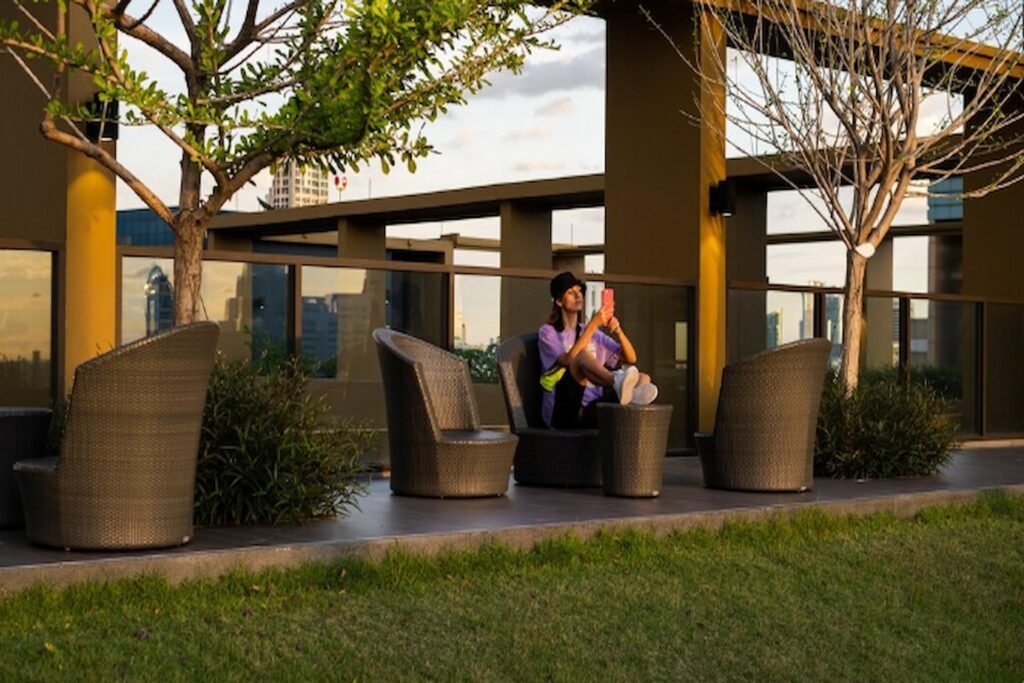
There is something deeply satisfying about stepping outside into a space that feels just right. Not too cluttered, not too bare. Somewhere that works for your lifestyle, looks beautiful through the seasons, and feels like a natural extension of your home. That kind of outdoor space does not happen by accident. It happens because someone thought carefully about every element before a single spade went into the ground.
Smart landscaping is about more than aesthetics. It is about making decisions that serve you well for years to come. The layout, the materials, the planting choices, the drainage — all of these things interact with each other in ways that only become obvious once the work is done. Getting them right from the start is the difference between an outdoor space you love and one you are constantly trying to fix. To see what a well-planned outdoor transformation can look like, view our website and explore the range of landscaping solutions available to homeowners across the UK.
Planning your outdoor space properly takes time and thought, but the payoff is enormous. A smart approach saves money, reduces maintenance, and produces results that improve with age rather than deteriorating after the first season. Whether you are working with a compact town garden or a generous rural plot, the fundamentals of good landscaping apply equally to every project. When you are ready to take that first step, view our website and discover how professional guidance can bring your vision to life with confidence and clarity.
Start With a Clear Vision
Before any work begins, you need to know what you want the space to do. That sounds obvious, but it is a step many people skip in their eagerness to get started. Without a clear vision, decisions get made on impulse, and impulse decisions in landscaping are expensive to reverse.
Think about how you actually use your outdoor space. Do you entertain regularly? Do you have children who need room to play? Are you passionate about growing vegetables, or does low-maintenance planting appeal more? Do you want somewhere to sit quietly in the morning with a cup of tea, or a space that buzzes with activity during summer weekends?
The answers to these questions shape everything that follows. A family garden with young children needs very different elements to a sophisticated entertaining space for adults. A gardener who loves to grow things needs structure and storage that a purely decorative garden does not require. Understanding your priorities before the design process begins means every decision that follows serves a real purpose.
Understand Your Space Before You Change It
One of the most common landscaping mistakes is making changes before properly understanding the existing conditions. Your outdoor space has its own characteristics — some helpful, some challenging — and the best designs work with those characteristics rather than fighting them.
Spend time observing the space across different times of day and different weather conditions. Notice where the sun falls in the morning and where shade builds in the afternoon. Identify low-lying areas where water collects after rain. Look at which parts of the garden feel exposed and which feel sheltered. Note any existing features worth keeping — a mature tree, a natural boundary, an interesting level change.
This observational process costs nothing and is genuinely invaluable. It means that when your design takes shape, it is grounded in the reality of the space rather than an idealised version of it. Gardens that work with their environment establish faster, perform better, and require far less intervention over time.
The Key Elements of a Smart Landscape Plan
A well-considered landscape plan brings together several distinct elements that work together as a whole. Understanding each of them helps you make better decisions and have more productive conversations with any professional you choose to work with.
Layout and zoning are the starting point. Every outdoor space benefits from being divided into clear zones that reflect how it will be used. A dining terrace close to the house, a lawn or open area beyond, planting borders around the perimeter, and perhaps a quieter corner for sitting and reflection. These zones do not need to be rigidly separated — gentle transitions between them often feel more natural — but having them defined gives the whole design a coherent structure.
Hard landscaping refers to all the non-living elements of the design — paths, patios, walls, steps, edging, and driveways. These are the bones of the garden. They define the structure, create the routes through the space, and set the tone for everything planted around them. Choices made here have a significant impact on both the look and the long-term performance of the garden, so they deserve careful thought.
Consider these important factors when planning hard landscaping:
- Materials should complement the style and age of the property rather than contrast with it awkwardly.
- Levels and gradients need to be managed carefully to ensure water drains away from the house and does not pool on surfaces.
- Paths should be wide enough to walk comfortably and positioned where people naturally want to walk, not where it is merely convenient to lay them.
- Patios and seating areas should be sized generously — a terrace that is too small for a table and chairs is a common and frustrating mistake.
- Quality of installation matters enormously. The best materials poorly laid will fail within a few seasons.
Soft landscaping covers everything that grows — lawns, trees, shrubs, perennials, grasses, climbers, and ground cover. This is where the personality of the garden really emerges. Planting brings colour, texture, fragrance, movement, and wildlife. It also changes throughout the year in ways that hard landscaping cannot, giving the garden a dynamic quality that evolves across the seasons.
Thoughtful planting choices consider the following:
- The mature size of every plant, not just how it looks at the time of purchase.
- The soil conditions and aspect of each planting area match plants to their preferred environment.
- A spread of flowering times to ensure the garden has interest from early spring through to late autumn.
- A mix of evergreen and deciduous planting to maintain structure and visual interest during the winter months.
- Plants that support local wildlife, including pollinator-friendly flowers and berry-producing shrubs.
Lighting is an element that many homeowners overlook during the planning stage and then wish they had addressed sooner. Well-placed garden lighting extends the usable hours of an outdoor space, creates atmosphere in the evening, and adds an element of security. It is far easier and less disruptive to install lighting infrastructure during the landscaping process than to add it retrospectively.
Water features and drainage deserve attention in equal measure. A water feature — even a simple one — adds a sensory dimension to a garden that planting alone cannot achieve. The sound of moving water is calming and masks intrusive background noise from roads or neighbours. Drainage, meanwhile, is less glamorous but absolutely critical. Poor drainage causes waterlogging, kills plants, damages hard surfaces, and can affect the structure of nearby buildings over time.
Sustainability in Modern Landscaping
Smart landscaping increasingly means sustainable landscaping. The environmental impact of how we design and manage outdoor spaces is receiving well-deserved attention, and the good news is that sustainable choices very often produce better-performing, lower-maintenance gardens.
Sustainable landscaping practices worth incorporating into your plan include:
- Using permeable paving materials for driveways and paths to allow rainwater to drain naturally into the ground rather than overwhelming drainage systems.
- Installing a rainwater harvesting system to collect and reuse water for irrigation, reducing both water bills and environmental impact.
- Choosing plants native to the UK or well-adapted to the local climate, which require less supplementary watering and are more resistant to local pests and diseases.
- Creating compost areas to recycle garden and kitchen waste into nutrient-rich material that feeds the soil naturally.
- Incorporating log piles, insect hotels, bird boxes, and other habitat features that support local biodiversity without requiring significant space or expense.
These choices do not compromise the beauty or functionality of the garden. In many cases, they actively enhance it by producing planting that is more resilient, more self-sufficient, and more connected to the natural environment around it.
Common Landscaping Mistakes and How to Avoid Them
Even well-intentioned landscaping projects go wrong when certain basic principles are ignored. Knowing what to avoid is just as valuable as knowing what to do.
Rushing the planning stage is the most frequent cause of disappointment. The excitement of transforming an outdoor space can make the design phase feel like an obstacle rather than a foundation. In reality, time spent planning is time saved on site and money saved throughout the project.
Underestimating the budget is another common issue. Landscaping costs are often higher than people expect, particularly for quality materials and skilled installation. Building in a contingency from the outset and being realistic about what different elements cost prevents the compromises that come from running out of funds halfway through a project.
Further mistakes to watch out for include:
- Planting trees too close to buildings, boundaries, or underground services without considering root spread.
- Choosing plants based on how they look in the garden centre rather than how they will perform in your specific conditions.
- Installing irrigation without first understanding the drainage characteristics of the soil.
- Neglecting the vertical dimension of the garden — walls, fences, and climbing plants add enormous visual interest and privacy.
- Failing to consider long-term maintenance requirements when making planting and material choices.
When to Bring in a Professional
Some landscaping projects are genuinely within the reach of a motivated and practical homeowner. Others benefit significantly from professional input. Knowing the difference saves both time and money.
For straightforward projects with a clear brief and modest scope, a confident DIY approach can work well. However, for anything involving significant groundworks, drainage challenges, structural features, large-scale planting, or a complex site, professional expertise pays for itself many times over.
A landscape designer brings creative vision, technical knowledge, and practical experience to the process. They can identify problems before they become expensive, source materials and plants at better prices, and manage the overall project in a way that produces a consistently high standard of finish.
Conclusion: Think First, Then Build
The perfect outdoor space begins long before any physical work takes place. It begins with observation, with honest reflection on how you want to live, and with a plan that brings those insights together into something coherent and lasting.
Smart landscaping is patient landscaping. It resists the temptation to rush and instead invests time in getting the foundations right. The reward is an outdoor space that serves you beautifully for years, improves with every passing season, and adds genuine value — practical, emotional, and financial — to your property and your life.
Your outdoor space is waiting to become something remarkable. All it needs is the right plan behind it.