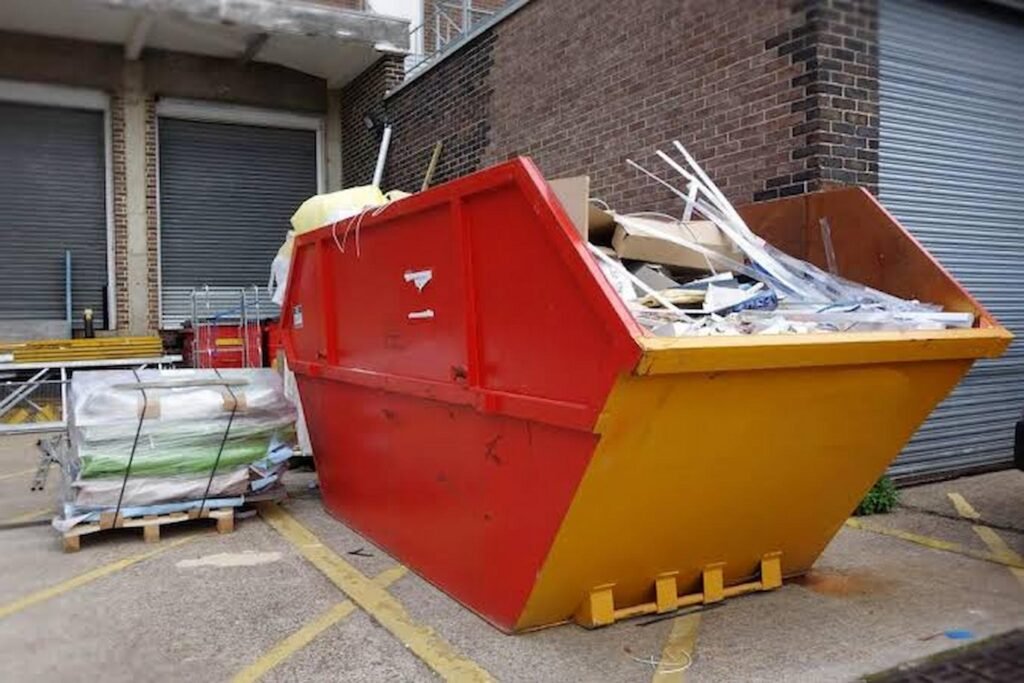
When clearing out your home, renovating a room, or managing general household rubbish, choosing the correct skip size can make the entire process easier. A skip that is too small may require extra collections, while one that is too large could mean paying for unused space. Understanding your waste volume and selecting the right option helps you save time, money, and effort.
Choosing a reliable skip hire Slough service can also ensure your waste is handled responsibly and in line with local regulations. With several skip sizes available, knowing what suits your project is an important part of planning an efficient waste removal process.
Why Skip Size Matters for Household Waste
Every household clearance project creates different amounts of waste. A small garden tidy-up will produce far less rubbish than a full house renovation. Selecting the right skip size means you can dispose of unwanted materials safely without arranging unnecessary collections.
A suitable skip provides enough room for your waste while keeping your project organised. It also helps prevent overfilling, which can create safety concerns and may result in additional charges. Therefore, estimating your waste before hiring a skip is a practical step.
Common Skip Sizes for Home Projects
Skip sizes are usually measured by capacity, often described in cubic yards. Although the right choice depends on your specific needs, common options include:
- Mini skips for small clear-outs, garden waste, and minor home improvements
- Midi skips for medium-sized decluttering jobs and DIY projects
- Builder’s skips for larger renovations and heavier household waste
- Large skips for major refurbishments, extensions, or extensive clearances
Understanding these options helps you match the skip to the scale of your work. Smaller skips are ideal for limited waste, while larger skips provide the extra capacity needed for bigger projects.
Consider the Type of Waste You Are Removing
The type of household waste you produce can influence the skip size you need. Lightweight materials such as old furniture, packaging, garden cuttings, and general rubbish may fit differently compared with heavier materials like bricks, tiles, and concrete.
For example, a kitchen renovation may create bulky cupboards, flooring materials, and broken fittings. A garden project may involve soil, branches, and green waste. By considering both the amount and type of waste, you can make a more accurate decision.
When arranging skip hire Slough, it is helpful to explain your project details to the provider. Experienced professionals can often recommend a suitable skip size based on the materials involved and the expected waste volume.
Plan Ahead Before Hiring a Skip
Good preparation can prevent common problems during your waste removal project. Before booking a skip, think about how much rubbish you expect to create and where the skip will be placed.
You should also consider access space, the length of your project, and whether you need a permit for placing the skip on a public road. Planning these details early helps avoid delays and keeps your clearance work running smoothly.
It is also worth remembering that some waste types may need special handling. Items such as electrical equipment, certain chemicals, and hazardous materials may not be suitable for standard skips. Checking waste restrictions in advance ensures responsible disposal.
Benefits of Choosing the Correct Skip Size
Selecting the right skip size offers several advantages. It keeps your site cleaner, reduces disruption, and makes waste management more straightforward. Additionally, using the correct capacity means you are less likely to need extra collections or waste additional money.
A professional waste removal company can support you throughout the process by providing suitable equipment and responsible disposal methods. This gives homeowners greater confidence that their rubbish is being managed properly.
A trusted skip hire Slough provider can help you choose an option that matches your household project, whether you are completing a small clear-out or a larger renovation.
Conclusion
Choosing the right skip size is an important part of effective household waste management. By assessing the amount of rubbish, understanding different skip options, and considering the type of materials involved, you can make a more informed choice.
Careful planning helps avoid unnecessary costs and ensures your waste removal process is simple and efficient. With the right skip size and professional support, clearing household waste becomes a much smoother experience.