Removing large quantities of waste can be one of the most challenging aspects of a construction, landscaping or home renovation project. Heavy materials such as soil, concrete, bricks and rubble are difficult to handle manually and often require specialist equipment. Choosing an appropriate waste removal method can improve site organisation, reduce disruption and support efficient project completion.
Arranging grab hire Guildford can provide a practical solution for homeowners and contractors dealing with substantial waste quantities. Unlike conventional collection methods, grab lorries use hydraulic equipment to collect accessible materials directly, reducing manual loading requirements and simplifying demanding clearance projects.
Understanding How Grab Hire Works
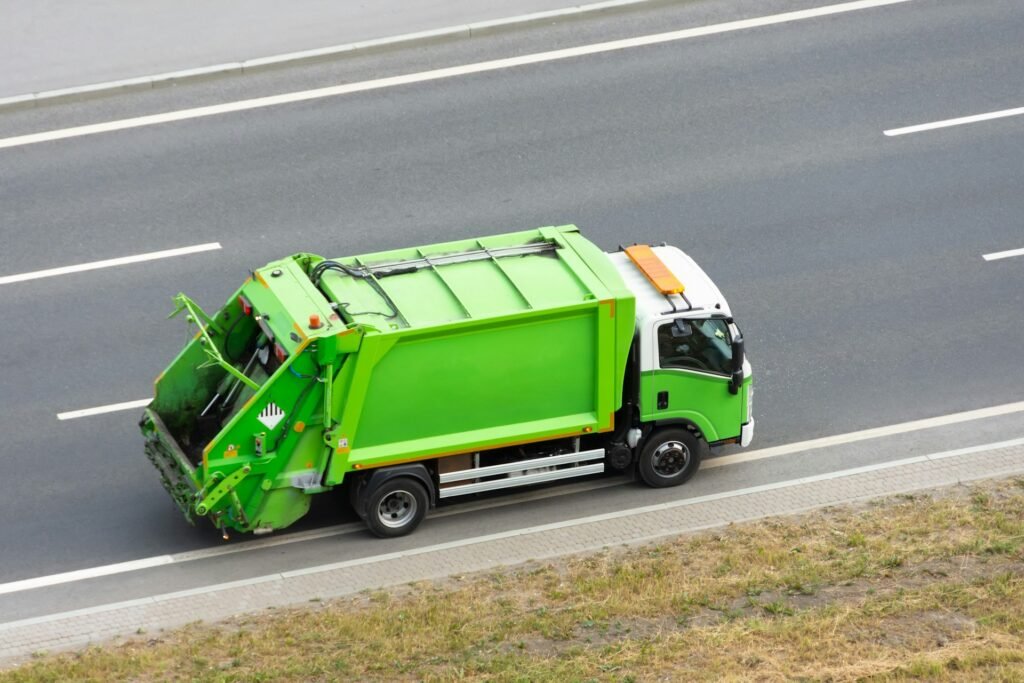
Grab lorries feature a hydraulic arm with a mechanical bucket that lifts and collects suitable waste materials. This equipment allows operators to reach waste piles from an appropriate position, making collection more convenient when direct access to discarded materials is limited.
Homeowners considering grab hire Guildford should discuss waste quantities, material types and site accessibility with their chosen provider before booking. Establishing these requirements beforehand helps determine whether the vehicle can operate safely and whether the service suits the project’s specific needs.
Handling Heavy and Difficult Waste Materials
Construction and landscaping projects often generate materials that are challenging to move using conventional methods. Excavated soil, broken concrete, bricks, hardcore and damaged paving slabs can require considerable physical effort to load into traditional waste containers.
Grab lorries offer a practical alternative by mechanically collecting suitable materials from accessible locations. However, acceptance policies vary between providers. Homeowners should confirm which materials can be collected and arrange separate specialist disposal for hazardous or contaminated waste.
Making Better Use of Limited Construction Space
Waste accumulation can quickly reduce available working space during property renovations. Traditional skips may occupy driveways or valuable construction areas for extended periods, creating accessibility challenges for contractors and residents.
Grab lorries allow waste to be collected directly from accessible piles without leaving a container on the property. This can be beneficial for properties with limited outdoor space, provided sufficient room is available for vehicle positioning and safe hydraulic arm operation.
Managing Waste Removal Costs Effectively
Waste removal expenses depend on material quantities, transportation requirements and disposal charges. Projects producing substantial volumes of heavy waste may benefit from bulk collection instead of arranging several smaller waste removals.
Homeowners should obtain detailed quotations and confirm loading capacities, accepted materials and potential additional charges. Preparing waste before the vehicle arrives can help prevent unnecessary delays and ensure that collection arrangements remain within the renovation budget.
Reducing Construction Disruption and Safety Risks
Accumulated construction debris can interfere with excavation, landscaping and building activities. Heavy materials may obstruct access routes, while manual loading can increase physical strain and the risk of injury.
Mechanical waste collection can reduce manual handling and help clear working areas more efficiently. Coordinating collection schedules with construction activities also allows contractors to maintain organised surroundings and continue their tasks with fewer interruptions.
Comparing Grab Hire and Traditional Skip Hire
Both grab hire and skip hire offer practical solutions for managing construction and household renovation waste. Their suitability depends on available space, material types, waste quantities and the duration of the project.
Understanding the advantages and limitations of each option allows homeowners to select a disposal method that meets their specific requirements without unnecessary expenditure or inconvenience.
Advantages and Limitations of Grab Hire
Grab hire is suitable for bulk clearance projects involving heavy materials. Its mechanical loading capabilities reduce manual handling, while direct collection eliminates the need to accommodate a skip for extended periods.
However, grab lorries require adequate vehicle access and overhead clearance. They may be unsuitable for narrow residential streets, restricted entrances or projects producing small amounts of waste gradually.
Advantages and Limitations of Skip Hire
Skips provide a convenient storage solution for projects that generate waste over several days or weeks. Homeowners and contractors can dispose of suitable materials as construction progresses without arranging immediate collection.
However, skips occupy valuable space and usually require manual loading. Material restrictions, weight limits and additional collections may also affect overall disposal costs.
Understanding Planning Permission and Legal Responsibilities
Construction projects involving extensions, excavation or structural alterations may require planning permission or building regulations approval. Homeowners should establish these requirements before starting work and ensure that waste removal arrangements complement wider construction plans.
Skips placed on public roads generally require local authority permission. Grab lorry collections affecting public highways may also require specific arrangements. Homeowners should always check that their chosen waste carrier is appropriately registered and uses authorised disposal facilities.
Conclusion
Grab hire offers a practical approach to difficult waste removal jobs involving substantial quantities of heavy materials. Its mechanical loading capabilities can reduce physical effort, improve site organisation and minimise disruption during construction and landscaping projects.
Choosing an appropriate waste removal method requires careful consideration of accessibility, costs, waste quantities and project duration. By planning collection arrangements early and prioritising responsible disposal, homeowners can maintain safer working environments and complete demanding renovation projects more efficiently.